Archive for the ‘Happiness News’ Category

Happy Happiness Blog!

We’ve been HACKED and we’re bouncing back, hopefully soon! Many of our images and some of our content were deleted. We’re reviving and restructuring the entire site.

Explore our happiness quotes explaining how to create happiness and a happy life. Use the Search Box on the right to look for happy quotes and topics in this blog that are important to you.  Enjoy HappinessHabit.com and  Creating-Happiness.com!

Links to some of our most popular quotes for creating a happy life:

Dealing Distress & Despair:  Don’t Beat Yourself Up! · Bouncing Back Quickly, Powerfully ·  Feeling Overwhelmed? ·  Dealing With Dangerous, Deranged Thoughts  ·   Detach From Distress and Despair ·  Avoid The Fault Finding Feel Goods · Defeating the Dismal Downers  ·   NEW – Happiness Habits For Veterans

Creating Happiness: Have A Good Time All The Time ·  YOUR Best ·   Savor, Enjoy, Appreciate ·  Forgiveness And Happiness ·  Fight With Finesse · What Are Habitually Happy People? ·  Can You Really Be Happy All of the Time? ·  Happiness Lessons From The Godfather · Love Powers Happiness ·  Happiness And Greatness ·  Happiness Without Hardness ·  Happiness And Pride ·  Happiness & Mastering The Art Of Living · Happiness And “Work”

Sadly, the Happiness Blog is being hacked – it’s been seeded with typos, links are being broken, sentences rearranged or garbled so they don’t make sense.  We’re fixing these problems as fast as we find them. If you come across anything weird, please Tweet us or Comment to alert us so we can fix it. MANY THANKS!

Defeating the Dismal Downers

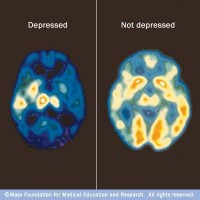
Mayo Clinic PET scan of normal and depressed brainsWe all get them from time to time, those dreadful, dismal, dragging, despondent feelings.

What causes the Dismal Downers and what can we do to defeat or deter them?

Photographs showing differences in brain activity when people are depressed – like this from  the Mayo Clinic – may be familiar.

Reduced Brian Activity Is Associated With Depression. One of the keys to raising our spirits and defeating depression is to find ways to stimulate our brain activity.

Exercise –  Many research studies show that regular rigorous exercise improves brain function and brightens people’s moods. This may be tied to improvements in the supply of blood flow to the brain.

Our brains represent about 2% of our body mass, but they consume about 25% of our body’s supply of oxygen. Brain function declines when brain blood flow declines.  (Source: Massachusetts General Hospital “Mind, Mood & Memory” August, 2011)

Neural activity also stimulates blood flow to specific parts of the brain, but one’s heart and circulatory system must be strong enough to support the necessary increased flows.

Music – Many people also find music helps brighten their moods – the music stimulates their brains and their bodies into greater activity.

Stimulants – Other types of stimulants like alcohol, drugs or caffeine may produce the same effects but with negative consequences. They briefly raise blood pressure, alertness and mental activity but they also set us up for a reactive downer when the effects of the stimulants pass.

We can achieve many of the same things naturally without these negative consequences. This is why a brisk walk can do so much to brighten our mood and increase our mental  alertness.

We can avoid overeating and dairy products and starches that make many people sleepy and slow.

We can choose to stimulate our own minds with lots of challenging, interesting thoughts. People who continually love to learn or acquire new skills or languages are found to retain their mental acuity into old age.

Habitually Happy people continually stimulate their minds with a constant stream of interesting, exciting, creative thoughts and mental activity. They think boredom is an inability to entertain ourselves when our environmental stimulation is low.

The Best Stimulation of All Is Happiness, Fun and a Good Time. Habitually Happy People Try To Have A Good Time All of The Time. 

Why Not Try It, It’s A Great, Fun Way To Brighten Your Mood, Defeat The Dismal Downers and Sharpen Your Mind!

Copyright 1999- , Michele Moore. All Rights Reserved. Explore HappinessHabit.com and Creating-Happiness.com for more happiness quotes. Our materials may NOT be published, broadcast, redistributed or rewritten without written permission from the authors.


Affirmations – Dangerous Delusions?

affirmations are dangerous delusions - stuart smalley - Saturday Night Live

Stuart Smalley - Saturday Night Live (Al Franken)

Saturday Night Live’s Stuart Smalley comes to mind whenever I hear the word Affirmations.  Silly, nonsensical, comic.

Focus On What You Want To Achieve And The Steps You Must Take To Attain It is a key Happiness Habit.

We think it is critical to focus on your goals AND what you need to do to achieve them.

Repeating Positive affirmations over and over again, saying and pretending that you have already achieved your goals is delusional and counterproductive. This does not emphasize what you actually need to do to attain your goals.

Positive affirmations are very much part of our “The Secret” driven culture. They do everyone a serious disservice.

If you wander around pretending you already have achieved something you have not worked for, it’s easy to get lost in lies.

Here’s a paraphrased example of affirmations from a self help book I recently saw:

  • There are two things you must know to reach a goal. First it must be clearly identified and quantified.  Second, goals should be written and affirmed as if they already existed.
  • To affirm something, you write and / or state it repeatedly, sincerely believing it has already been accomplished.
  • Your affirmation might sound something like this:  “I have sold five units as of January 30, 2011. Gross income from these sales is $500,000 and net profit is $80,000. I am respected and lead my field in sales production.”
  • By expressing your desired outcome in the present tense, you condition your subconscious mind to accept it as fact. This method is taught by most success motivators.
  • Write your affirmations several times each morning and evening. Post them on your bathroom mirror, refrigerator, your computer or car dashboard. Refer to them often and repeat them out loud. Believe them!
  • By planting this seed of positive expectancy you condition yourself to move toward your goal swiftly and unswervingly.

Does this sound familiar? No where does it describe what you actually must do, or do differently to achieve these goals!

Wishing doesn’t make things real. Repeating affirmations over and over again detaches you from reality. If you truly believe it when you have not achieved it, it is delusional.

So focus on what you what to achieve and the steps you must take to attain it.

Positive affirmations do help you to step into the right mind set to perform and present yourself at your best. A successful salesman I know always says: “Cool, confident, successful and savvy” to himself before he walks into any room to remind himself of how he wants to think of himself and what we wants to project.

This helps him connect with a clear image of the person he wants to be – but it is very different from pretending and telling himself he has already done something he hasn’t worked to attain.

Use affirmations to help you to connect with your best self and then:

Focus On What You Want To Achieve And The Steps You Must Take To Attain It to achieve your dreams.

Copyright 1999- , Michele Moore. All Rights Reserved. Explore HappinessHabit.com and Creating-Happiness.com for more happiness quotes. Our materials may NOT be published, broadcast, redistributed or rewritten without written permission from the authors.

Aim For Happiness

Aim Sight with Smiley Face TargetOur Aim Determines Our Achievements

If you want to be happy or happier, make happiness and enjoying life your goals.

Whatever you have to do, try to enjoy it!  Find ways to make ALL your activities enjoyable, rewarding and meaningful.

Make Doing Well AND Feeling Well Your Top Personal Priorities

Expect to enjoy everything you do and then find ways to make everything you do enjoyable, meaningful and rewarding – for everyone involved.

Propel Your Life and Your Work With Fun! Continually create your own happiness.

Try To Have A Good Time ALL of The Time!

Sound simple?  It is!

Learn how happiness works and start building happiness in your life.

Many people want to be happy but they expect happiness to magically descend on them, like a dove from heaven.  They don’t know how to create happiness in their lives or for the people around them.

They don’t realize happiness is right there at their finger tips, waiting for them to reach out and enjoy it.

If you don’t make happiness a personal priority, happiness often only appears by accident or as an afterthought.  Life is too short for that.

To Be Happy or Happier, Aim For Happiness.  Make Happiness Your Goal and Work To Achieve It.

Copyright 1999-     , Michele Moore. All Rights Reserved. Explore HappinessHabit.com and Creating-Happiness.com. Our materials may NOT be published, broadcast, redistributed or rewritten without written permission from the authors.

Happy Holidays In Hard Times

HolidayHappiness_1224210-01Holidays can be happy even when you are experiencing personal losses and difficult times!

Here are ways to make your holidays joyous during difficult times.

(For more ideas see Holiday Happiness In Hard Times and Happiness Hints for the Holidays 2 and Happiness Hints for the Holidays 1 )

Love Expansively – Love propels happiness in all circumstances, it is especially important during difficult times.

In hard times we may forget to Love because we are so concerned about other things.  This is the time when we need Love the most – both to give Love and receive it!

The happiest people are always the most loving people: they love the people around them, they love what they do, they love their work and they love themselves.

If you have ever been to a third world country where people have little materially but great joy you know the truth of this statement.  Learn from them and do what they do.

Love is something we can grow, loving is something we can decide to do.  Wherever love is limited or lacking there is no happiness.

One of the greatest holiday gifts we can give good times or bad is simply setting a loving, positive, joyous tone that embraces all the good things and the people around us.

To be happy in good times or bad, love expansively and extensively.

Resolve to have a fun and festive Happiness Habit Holiday despite what may be happening.

Here are more Happiness Habits that can brighten your holiday:

Be Guided By Goodness –  Doing Good Helps You To Feel Good

Savor, Enjoy and Appreciate all the good things that do come into your life.

Don’t Beat Yourself Up!

Avoid the Fault Finding Feel Goods and Eliminate All UnNecessary Negativity.

Rebel Against Bad Feelings – Refuse to let bad events drag you down or interfere with your holiday joy.

Expect To Enjoy Everything You Do and then Find Ways To Make What You Do Meaningful and Enjoyable.

Want even more ideas for a happy holiday? See Creating-Happiness.com

Wishing you very happy holidays,

Michele Moore and the
Happiness Habit Team

Holiday Happiness In Hard Times

Holidays can be extraordinarily happy even when you are experiencing hard times.  Here’s how to enjoy the holidays when you are hurting.

Be Honest About Where You Are, Decide To Be Deliberately Different – Consciously deciding to change and do things differently helps cut painful connections with the past.  Different can be very delightful, deliberately deciding to do things differently can be very liberating.HoldiayHapiness-dreamstimef

Joy Has NO Price Tag – Our greatest joys don’t come from gifts of material things.  The people, memories, experiences and magic moments that bring us the most joy are not tangible items. Recall sources of joy in the past and recreate them in new and different ways.

Create a Colonial Christmas – imagine what Christmas was like 250 years ago for the first settlers of our country. Create a 1760’s Christmas – simple, joyous, special.  Decorate using free, natural items:  pine cones, evergreen limbs, pop corn strings.

Cut simple decorative shapes from colored paper or old magazines.  Enjoy candles with mirrors.  Look for bonfires if you don’t have a fireplace.

Consider Exchanging Care Coupons – Create and decorate coupons for the intangible gifts your loved ones will value the most:

  • This coupon is good for one hour of help with anything you ask – I promise to work hard happily, enthusiastically and energetically.
  • This coupon is good for one hour of undivided, uninterrupted time together doing exactly what you want to do.  I promise to give my full, undivided, sincere, enthusiastic attention and appreciation to you and whatever you decide to do.

Create a Another Country’s Non Commercial,  Cultural Christmas – What Christmas would be like if you were living in a Hindu, Muslim or Buddhist country?  Or in a simple village in Latin America?  Mongolia?  Ethiopia?  Learn about other cultures, recreate one for a memorable, enjoyable holiday.

Emphasize Enjoyable Experiences – Look for experiences that bring happiness and joy in the holiday season.

End Extravagant Expectations – Money does not buy a joyful holiday.

See Stabs Of Self Pity As An SOS – Immediately redirect your time, energy and attention toward thoughts, actions, objectives and activities that will help you to build happiness and spiritual success.

Enjoy Natural Beauty – Take walks.  Savor, enjoy and appreciate the beauty around you:  the special smells, the fresh air on your face, the spectacular sunsets you were always too busy to watch.

Assess Reality Accurately, Don’t Get Carried Away – Don’t diminish holiday joy by over spending, over eating or over compensating for any difficulties, it’s not necessary.

Strangers Can Offer Security And Safety – Family relationships and even long standing friendships can suddenly turn toxic over the holidays.  New or different people change holiday dynamics and interactions.  Changing the place, time and theme of holiday celebrations can help break bad ruts.

Begin Your New Year’s Resolutions Early –  Whatever they are, begin now.  Eat and drink healthily.  Avoid excesses, too much rich food, alcohol.  Too many sweets and starches can drive you nuts.   Jump start your diet, exercise or personal development programs.  Exercise aggressively. Eat wisely.

Continually Sparkle, Radiate and Set A Positive, Enthusiastic  Holiday Tone – Consciously deciding to continually sparkle and radiate joy raises your spirits and the spirits of the people around you.  Use holidays as an excuse to smile, speak and greet strangers warmly. Extend a genuine holiday welcome to everyone you meet.

Be Adventuresome And Creative – Decide to do things you haven’t done before, or decide to do them in very different ways.

There are lots of wonderful new ways to enjoy the holidays, find them, explore  and enjoy them.

Look For Free Festive Activities With New People In New Places – Volunteering to help others often comes with free food and fun holiday festivities. Find free concerts, free special holiday events and religious activities. Learn about different cultures or religious groups. Visit a friend, relative or shut in who will relish your company.

Spend time really exploring, enjoying and savoring the holiday season and holiday decorations.  Do things you were always too busy to do in the past.  Make this holiday wonderfully different and it won’t be deficient.

Creativity Is A Key To Happiness In Ordinary Times, It Is Especially Important In Hard Times.  Find Creative New Ways To Enjoy Your Holiday And Bring Joy To Others!
Copyright 1999-     , Michele Moore. All Rights Reserved. Explore HappinessHabit.com and HappinessBlog.com. Our materials may NOT be published, broadcast, redistributed or rewritten without written permission from the authors. Photograph from Dreamstime.com

Don’t Beat Yourself UP!

UpsetApe02Don’t Beat Yourself UP!

You Have To Be At Your Best To Perform Your Best.

Tearing Yourself Down Is Distracting, It Destroys Your Confidence And Detracts From Your Ability To Do Well. 

Beating Yourself Up is very counterproductive.

You’re spending all your time, energy and attention focusing on what went wrong and how terrible it is and then you are burning it into your memory with lots of negative energy.

No time or attention is spent on identifying, learning and strengthening skills and strategies that will help you avoid the error in the future and build success and happiness.

Why do we Beat Ourselves Up?

When we were little, parents and authority figures may have punished us to protect us from the dangers of wrongdoing.

If we ran into a busy street without looking, we may have received a spank on the rump to discourage us from doing it again.

Punishment Causes Pain And Pain Prompts Avoidance.

What we really need to learn is to recognize there is danger, stop, look carefully both ways before we cross a busy street.  Beating yourself up doesn’t teach the skills we need to survive and be safe and successful in the future.

On some level we also may have learned the wrong lesson, that beating ourselves up is the way to improve our performance and make ourselves better – so we do it to ourselves.

By focusing on where we are and what’s we did wrong we stay stuck.  We reinforce our errors by rehearsing and reliving them in our minds

Beating Yourself Up Reinforces Errors You Want To Avoid.

Remorse and Regret do not necessarily bring Reform.

By focusing on where we want to go and what we want to do differently in the future, we grow.

Channel Anger And Anguish Over Errors And Mistakes Toward Fixing Problems And Identifying And Practicing Skills That Will Make You Successful And Happy In The Future.

Copyright 1999-     , Michele Moore. All Rights Reserved. Links to our website and pages are welcomed! Please note our materials may NOT be published, broadcast, redistributed or rewritten without written permission from the authors.  Explore HappinessHabit.com for more happiness quotes and insights.

Lives of Great Leaders

ted-kennedy-0b0Lives of great leaders inspire, excite and challenge us to live better, happier, more fulfilling lives ourselves.



Relish opportunities to explore and appreciate their gifts, resolve to acquire some of their skills or strengths for yourself.

Ted Kennedy’s exuberant enthusiasm for life, his dedication to doing exceptional work and determination to put aside differences to achieve worthwhile goals earned him exceptional respect, admiration and trust.

His spiritual strengths epitomize and exemplify many key Happiness Habits:

  • Exuberant Enthusiasm for life and for all the opportunities each day offers.
  • Compassionate Caring for All People, especially the weak, powerless and disenfranchised.
  • Fierce Independence and willingness to fight for their beliefs against prevailing opposing opinions.
  • Fearless & Passionate Expression of their Convictions without reserved reticence.
  • Learning Something New Each Day to turn life into an exciting adventure fueled by eager exploration.
  • Determination To Do Their Very Best Work drawing on all available resources to achieve their very best.
  • Fueling Their Life and Work With Fun, expressing genuine delight in everything they do.
  • Having A Good Time All The Time knowing it’s the best way to get help and support from others.
  • Making the Most of Every Moment knowing life is entirely too short.

What inspiration do you find in the lives of a great leader?
What makes them so successful and exceptional?
What new qualities do they inspire you to emulate, embrace and acquire?

Copyright 1999-     , Michele Moore. All Rights Reserved. Links to our website and pages are welcomed! Please note our materials may NOT be published, broadcast, redistributed or rewritten without written permission from the authors.  Explore HappinessHabit.com and HappinessBlog.com for more happiness insights.

Rational Optimism in Recession?

We are truly at our best when we are Up, confident, energized and happy. Being at our best is especially important during tough times when we must perform our best.

Feeling sad about bad times does not help us deal with them well.

It’s especially important to find ways to be happy during difficult times so we can do our best and limit our stress and pain.

Happiness In Hard Times will explore specific ways of doing this.

The best optimism comes from confidence and a conviction that no matter what happens to us and around us, we will find ways to triumph and be happy.

Changed environments always offer new opportunities, benefits and new freedoms. Our challenge is to find them, embrace them and enjoy them.  The greatest dangers are isolation, insecurity and inactivity.

Life shrinks or expands in proportion to one’s courage. ~ Anais Nin

Scientific research on post-traumatic growth shows people often become more resilient after facing adversity. Creativity, determination and confidence surge as we adapt to changed circumstances.

Successfully weathering one storm gives us confidence to face others. We suddenly find ourselves easily doing things we never thought we could do before disaster struck.

Business Week’s praise of “rational optimism” left me confused and convinced in the importance of understanding how optimism can both help and hurt during hard times.

“Don’t worry, everything will be okay” are dangerous words when they prompt us to ignore key warning signs or encourage us to be complacent when fast, dramatic action is needed to survive.

Many people mix their moods with their decision making. In prosperous times they are courageous, confident and certain. In bad times they become paralyzed with pessimism.

Habitually happy people know how they like to feel. They like to feel good all the time, no matter what is happening to them or around them. Still, they are not prone to blinding optimism.

They are surprisingly astute in their decision making and make accurate assessments of reality. Once they are sure they have made good decisions, then they use the full force of enthusiasm and positive expectation to drive their visions into reality.

Real optimism is more and very different from a rosy outlook and putting annoyingly positive spins on everything that happens.

True optimism comes from a fundamental confidence that no matter what happens, you will find a way to be happy and enjoy life.

Copyright 1999-     , Michele Moore. All Rights Reserved. Links to our website and pages are welcomed! Please note our materials may NOT be published, broadcast, redistributed or rewritten without written permission from the authors.

Truth, Honesty, Integrity

Truth, Honesty And Integrity Are Essential To Happiness –  A clear conscience and living by good values are absolute prerequisites to a happy life.

The Universe respects, admires and trusts people of high integrity who always try to do the right and best thing.

You can’t be happy when you continually feel guilty or worried about wrong doing and about being found out, exposed and punished.

Deceit and Dishonesty Destroy Happiness

To be happy, you need to feel good about who you are and what you do.

Continually trying to do your best, feel your best and be your best helps build happiness.

More importantly…

We Can’t Love People We Don’t Trust

Deceit and dishonesty destroy relationships.  We need The Truth to make good decisions. Dishonest, deceitful people lead us to poor decisions because they distort or disguise the Truth for their own gain.

Beware of Sociopaths & Psychopaths:

A surprisingly large percentage of the population has no conscience, no remorse, no compassion, no empathy for others.

Psychologists and Law Enforcement professionals call these people Sociopaths and Psychopaths.  The primary constraint on a psychopath’s or sociopath’s behavior is concern about being found out, exposed and punished.

They have no conscience, no remorse or guilt to restrain or contain their misbehavior.

Psychopaths and Sociopaths also exhibit what psychologists term “a flat affect.”  Their lack of conscience, concern and remorse is accompanied by an inability to bond and feel love, understanding and empathy for others. Constant thrill seeking often fills the void of love in their lives.

When Love Is Limited Or Lacking There Is No Happiness.

Happy people who embrace high values need to be very wary of these people. Psychopaths and Sociopaths are often very charming, charismatic and deceptive.

It’s hard to believe that such seemingly warm, wonderful people can be so evil and malevolent.  “We see the world as we are, not as it is” wrote  Anais Nin.

Be Loving And Be Careful!

Copyright 1999-     , Michele Moore. All Rights Reserved. Links to our websites and pages are welcomed! Please note our materials may NOT be published, broadcast, redistributed or rewritten without written permission from the authors. Explore HappinessHabit.com and HappinessBlog.com for more happiness insights!

Happy New Year 2009!

Exciting New Changes Are Coming With The New Year…

Happiness·Hope·ChangeHappinessHopeChange.com – Celebrating our January 20th Inauguration and the messages and lessons it carries

–  and  –  Resolve To Be HappyResolveToBeHappy.com – sharing specific steps to turn Happiness Resolutions into powerfully effective Happiness Solutions

have been added to the HappinessHabit.com website.

During 2009 we’ll continue to develop specific Happiness subject web sites targeted to address specific needs, uses and desires.

As you know, HappinessBlog.com has evolved and changed significantly through the years.

Our first postings in 2005 described basic Happiness Habits and the important tenets for living a happy, spiritually successful life.

Having covered Happiness Habits both here and in other postings through the years, HappinessBlog.com  began to emphasize current Happiness news, research and events.

New readers may not want to dig back several years to read our initial happiness postings. We’ll leave them in place in their original form to preserve the links.

We will also rewrite and refocus many of our materials in new and exciting ways during 2009 to focus on specific needs and uses.

Our more contentious commentary regarding current Happiness research and coverage will be migrated to a separate site with a new name.

HappinessBlog.com will return to it’s powerfully positive theme and tone.  We’ll try to keep abreast of news items supported by permanent links to happiness materials that could be of interest and help to large groups of people.

We hope you will enjoy the new look, tone and approach for HappinessBlog.com during the coming year!

Very best New Year’s wishes,

Michele Moore and the
Happiness Habit Team

NBC Muffs Happiness

Happiness, even in hard times, it turns out the feeling IS contagious” begins NBC’s report on Harvard’s study of 4,739 people over 20 years researching “how social networks, siblings, friends and neighbors are affected by the happiness of others.”

Happiness isn’t a solitary experience, it’s dependent on others” the study asserts.

Is it surprising that researchers who studied the effects of social networks on happiness would find that social interactions are necessary for happiness? They even examined geographic variables…

“Close physical proximity is essential for happiness to spread,” the study reports. “A happy friend who lives within a half mile makes you 42% more likely to be happy yourself.  If that same friend lives two miles away, the impact drops to 22%. Happy siblings make you 14% more likely to be happy, but only if they live within a mile.”

Egad! What are we meant to do to be happy? Move closer to happy friends and siblings if we have them?  What if they’re not close by or if they suddenly face tragedy and become unhappy?

How does this help us find Happiness In Hard Times? Does the study provide useful insights that help the world be happier during difficult times? Did they reduce their analysis to ridiculous decimals?

NBS’c clips show people looking outside of themselves for happiness as if happiness is not a product of our own internal orientation and decisions.

“What makes me happy is…  a good meal,  knowing my job is in good shape, a yo yo?”

What about people facing difficult times who have none of these external delights, are they doomed to despair and depression? What can we do to bring greater joy to difficult situations?

We love NBC and MSNBC. Their integrity and intellectual sophistication is often lacking in the other networks. On occasion, NBC goes to amusing lengths to protect the public from themselves.

Watch Jon Stewart’s hilarious report on NBC’s Macy’s Thanksgiving parade coverage.  A good laugh is a great way to bring happiness into your life.

See Happiness In Hard Times for Happiness Habit’s hints about how to be happy during difficult times.

Copyright © 2008, Michele Moore.  All Rights Reserved. This material may NOT be published, broadcast, distributed or rewritten without permission from the authors.

Happiness Expanding & Updated

We’ve not been silent the past few months!

HappinessHabit.com
has expanded and embraced and exciting new scope and look!

We’ll be emphasizing Happiness In Hard Times – How To Be Happy When Times Are Tough & Help Others To Be Happy Too in coming months.

See new postings:
Breaking Blocks To Learning
on
Happiness Habits For Families
and
Seven Steps to Seeing Communications Clearly
and the
Power of Truth
on
Fight With Finesse.

Explore HappinessHabit.com to expand and enhance your happiness!

Copyright © 2008, Michele Moore.  All Rights Reserved. This material may NOT be published, broadcast, distributed or rewritten without permission from the authors.

Positive Psychology Can Be Dangerous!

Blind Smiley FacePositive Psychology is very popular in American academia today.

Positive psychologists believe we can all be happy or happier by being more positive.

They suggest we substitute more positive judgments for negative ones, spend time on Gratitude Lists and journal good things that happen in our lives.

They believe the more time we spend focusing on positives over negatives, the happier we will be.

They preach the Gospel of Learned Optimism, that we can learn to be more optimistic in our assessments of life and be happier.

The Positive Psychology Happiness Formula is:
Positive Judgments => Produce Happiness
Negative Judgments => Mean Misery
Therefore More Positive Judgments Mean More Happiness

While there is some truth to this statement (it is a variant of the First Law of Happiness – Our Focus Determines Our Feelings) they overlook a number of key points:

The first is optimism can cause us to overlook or ignore important danger signals and warning signs that help us thrive and survive. We are told we just need to be more positive, to see more benefits and fewer threats. This can be dangerous.

The Happiness Habit model is very different. Habitually Happy people assess reality very accurately and take decisive and often very creative action. Once they are confident they have made good decisions, they put the full force of positive expectations behind their plans and drive to excel and do well.

They know the dangers of excessive optimism and react accordingly.

More importantly, Habitually Happy people don’t ignore misery. They know misery has messages and meaning.

Misery Is Meant To Make Us Move

Misery is meant to make us move and take action – it is a signal something needs to change or is changing.

Misery means we need to change what we are doing, how we think, how we feel or all perhaps all three. If our world is changing, we need to change to adapt, adjust and end our misery.

Stuffing, ignoring or replacing negative signals with learned optimism is not a universal route to happiness and spiritual success.

When our heart, gut, soul and being are screaming something is wrong, it’s not wise to try to pretend everything is fine.

Examine those negative feelings, understand what they are saying and react accordingly.  Are threats real or merely effects of past conditioning, environment and experience?  Can we turn those negatives into positives?

Assess Reality Accurately. Explore and Appreciate What Negative Feelings Are Trying to Say.

Be Decisive, Make Effective Decisions.  Put The Full Force of Positive Expectations Behind All Your Plans.

Use a Drive To Excel and Do Well to Propel You to Happiness and Spiritual Success.

Try To Enjoy and Make The Most of Each and Every Moment.
Be Realistic, Not Blind.

See HappinessHabit.com for more information about happiness and spiritual success.

Copyright © 1999-      Michele Moore. All Rights Reserved. This material may NOT be published, broadcast, distributed or rewritten without permission from the authors.

Happiness and Greatness

Happiness and GreatnessA Drive to Do Well and Excel Are Keys to both Happiness and Greatness!

Habitually happy people want to do their best, feel their best, be their best all the time.

They also continually and creatively look for ways to make their best even better.

This is the same mindset described as the keys to Greatness by Fortune Magazine.

The article discusses recent studies of people who have excelled in their sport or profession, examining what it takes to be great.

The good news is… greatness in a skill, sport or profession does not come from natural talents or gifts. Greatness is open to any and all of us.

Greatness comes from rugged, rigorous hard work and a determined drive and desire to continually improve our skills.

The same principles hold true for happiness.  By continually and creatively finding ways to live more happily and successfully, we can grow our happiness and spiritual success.

For more insights and happiness resources see  HappinessHabit.com 

Copyright © 1999-    , Michele Moore. All Rights Reserved. This material may NOT be published, broadcast, distributed or rewritten without permission from the authors.

Happiness Without Hardness

The Best Way to Excel and Do Well At Anything
Is To Cultivate A Love For Ithappiness without hardness.

Love And Exuberant Zeal Propel
Happiness and Success.

People who are at the top of their profession or calling truly love what they do and devote their entire life, their soul, their being to it.

They are determined to be the best. Lasting, remarkable success doesn’t happen by accident or with sloppiness. 

Star performers have decided to be different in some way, to add a new artistry, invention, dimension, perspective or approach to their endeavors.

They are not just the same as everyone else and better. They are different, creative, distinctive.

Preeminence has its perils. A top coach complained success had made her hard because of the back biting, infighting and sabotage within her sport. Jealous, envious people can be very hateful.

Your colleagues are competitors.  You can’t count on affirmation, support or admiration from people you consistently beat. Hurt causes hardness, sometimes even hatred.

Protect yourself from pain and be happy with your success without becoming hard. Reposition your attitudes, view bad antics as sick, dysfunctional and pathetic. Feel sorry for them.

Envy and Jealousy Are Marks of Losers!

Embrace the love you feel for your sport, endeavor or profession. You are the best because you have worked harder and added more than the others.

Truly successful people look at great performers, admire them, support them, emulate them and try to learn all they can from them. Losers discredit, devalue or subvert winner’s successes.

There’s a reason why winners rise to the top while losers stay stuck below them.  Backbiting, infighting and subversion become more important than love of excellence and the endeavor.

There’s a huge difference between striving to deliver an exceptional performance and wanting to beat someone. Winners love to embrace the very best, losers often try to hurt.  Expect people you beat to be unhappy.

Don’t look for affirmation or admiration from competitors. It will come from people who appreciate what you do, understand how hard you work and have hearts as strong and as good as yours.

Copyright © 1999-    , Michele Moore. All Rights Reserved. This material may NOT be published, broadcast, distributed or rewritten without permission from the authors.

Happiness And Pride

Pride and Happiness graphicPride Is One of the Most Important and Misunderstood Aspects of Happiness

Pride in a job well done, pride in doing the right thing, in your accomplishments, your integrity or in the family you raised, are all very positive and healthy.

Pride Is An Important Part of Feeling Good About Ourselves, It Is a Healthy Part of Happiness.

Pride can also be a very bad, dangerous defect. What’s the difference? Here are some examples…

False Pride – Places too much emphasis on what other people may think or how they may react. Other people’s opinions of us run our lives. We become directed by fears and concerns about what other people think. False pride can prevent us from seeking and accepting the help we need to survive and thrive. False pride can cause us to try too hard to impress other people.

Superior Pride – Raises people up and places them above others, separating and isolating them with an inflated sense of self importance. We all know people with stuck up superior pride, they are attractive only to themselves. Their attitude says, “I am better than you and the rest of the world.”

Perfectionistic Pride – Demands that things be perfect in order to be acceptable and that we accept only the very best. Anything less is inferior and unworthy. Perfectionistic pride wastes time, resources and destroys happiness. It is exclusive and exclusionary. Perfectionistic pride limits our willingness to explore, try new things, to enjoy differences.

Each of These Negative Forms of Pride Defeat Our Desires to Be Happy and Spiritually Successful. Recognize and reject them and replace them with happy, successful responses.

How Do We Decide If Pride Is Positive or Perverse? Ask, is it helpful or hurtful? Does our pride expand and enhance our lives and opportunities or does it limit them? Is it a genuine expression of love, delight and affection? Or is it a twisted, limiting, false elevation and pseudo enhancement of self?

Trumpeting Triumphs is Not Bragging! Celebrating successes, trumpeting triumphs and delighting in good deeds all motivate us to do more and are important to happiness, enthusiasm and success. Bragging is very different. Bragging says, “I am better than you are…!”

Trumpet Triumphs, Celebrate Successes, Delight in Good Deeds, All Are Part of Healthy Pride and Are Keys to Happiness and Spiritual Success!!!!

For more see: Happiness Habit.com

Copyright © 1999 –         , Michele Moore. All Rights Reserved. This material may NOT be published, broadcast, distributed or rewritten without permission from the authors.

Empathy Is Essential

Empathy EssentialEmpathy Is Essential To Happiness

Empathy means we can sympathize and identify with other people’s pain,
situations and feelings.

Empathy is the core of compassion.

Empathy means we care about others, that we have concern for  their welfare and well-being.

Habitually happy people characteristically exhibit abundant love and empathy. They genuinely care about people and the world around them. Love truly does propel happiness.

The More We Love, The Greater Our Happiness. Where there is no love, there is no happiness.

The empty, apathetic angst that characterizes the affluent and arrogant amplifies this truth.

People who place themselves above and apart from the rest of the world rarely experience the love, happiness or joy that flows so easily to people who eagerly embrace the entire world.

Evil people may love, but their love is limited and conditional.

The Best Way To Prosper Is To Help Others Prosper.

The Best Way To Be Loved Is To Love.

The Best Way To Be Happy Is To
Delight In Helping Others To Be Happy,
Especially Those Who Are Less Fortunate Than You!

For more Happiness Habits see HappinessHabit.com

Copyright © 1999-    , Michele Moore. All Rights Reserved. This material may NOT be published, broadcast, distributed or rewritten without permission from the authors.

Happiness Lessons From The Godfather

Godfather Micheal CorleoneHappiness Lessons From the Godfather
The Godfather movie trilogy illustrates many valuable Business and Leadership lessons.

It also illustrates some very important Happiness Habits, most importantly, the Dangers of Departing from Goodness.

In the beginning of Part I, young Michael Corleone is happy, idealistic and moral. He comes home from WWII as a hero. He wants to stay clean and clear of the family “business.”

He stayed happy and clean until his father’s life and  “business” were  threatened. He changed direction and killed two people.

As the trilogy continues, Michael is drawn deeper and deeper into violence, criminal dominance, alienation from goodness and separation from his family.

When the Godfather Part III ends, Michael is alone. He has it all financially, but nothing spiritually or emotionally. He has lost his family, his loved ones and himself.  He is empty and desolate.

He has supreme success in a life of crime. In time, a rival may kill him and end his misery. What does he have to live for?  To look forward to? To strive for?

Don’t Depart From Goodness
Make Goodness Your  Guiding Goal

Always Try To Do Your Best, Be Your Best, Follow The Best Path You Know

No matter how things turn out, you know you did your best and you could do no more. You are blameless and your conscience will be clear. A clear conscience is central to all happiness and spiritual success.

Copyright © 1999-    , Michele Moore. All Rights Reserved. This material may NOT be published, broadcast, distributed or rewritten without permission from the authors.

Forgiveness and Happiness

slinky.jpg

Forgiveness Means Not Letting
Past Pain Determine Present
Or Future Actions

Forgiveness Offers Freedom –
Freedom From Pain
Freedom of Thought And Action

Forgiveness Does NOT Mean Forget,
Stuffing Our Feelings Or
Letting Others Hurt Us Again

Forgiveness Does NOT Mean Failing To Fight For What Is Right And Good

Holding On To Resentments And Grievances IS A Decision To Suffer And Make Others Suffer

Resentments and revenge  ruin and run present and future moments. Resentment allows past pain to control us, our feelings and actions. That’s not the way to happiness and spiritual success.

Happy people don’t hold on to misery. They resolve to learn from bad experiences, gain from their pain and move forward. Unnecessary suffering is masochistic, inflicting pain on others sadistic.

Forgiveness does not mean “Door Mat.” People who don’t fight for their rights and freedom loose them!

None of the great religious or spiritual leaders in history were wimps. They all took strong stands and fought for their beliefs. Habitually Happy people are NOT Wimps. They do refuse to be controlled by past pain. They resolve to let pain go quickly.

They make good decisions based on accurate assessments of reality, worthwhile goals and positive intentions.

Forgiveness Means Not Letting Past Pain Control Present And Future Actions.  It Offers Freedom From Pain And Angry Decisions.  Forgiveness Does NOT Mean Forget. It Does NOT Mean Failing To Fight For What Is Right!

See Happiness Habit for more happiness insights and wisdom.

Copyright © 1999-    , Michele Moore. All Rights Reserved. This material may NOT be published, broadcast, distributed or rewritten without permission from the authors.

Evil People

Happiness and Evil CandlesSome people enjoy being mean. Evil people enjoy causing hurt and harm, it gives them a sense of power, control and superiority.

They may hide your keys, snicker while you search for them and blame you for not being better organized. Benign? It costs you time and emotional well-being.

Empowered, evil tyrants like Hitler, Stalin and Pol Pot kill millions of people without regret.

They have no consciences, no guilt, no remorse or empathy, no care about right or wrong. They do whatever they please, their only concern is getting caught or being stopped.

Law enforcement and medical professionals call them psychopaths, sociopaths, antisocial. They are at least 4% of our population.

They are often very articulate, charming, attractive and likable. This makes them very dangerous. They look and act normal but they have no morals, no concern for anyone but themselves.

They are adept at hiding their true feelings and evil intentions. They are criminals, con artists, psychopathic ceos, corporate bullys, petty tyrants.

Good people don’t believe people can be so evil and do such evil things and still seem so normal.

This is how and why happy, healthy people are repeatedly taken in and victimized by their psychopathic manipulations and deceptions.

Evil people look like fine, upstanding citizens. Church involvement can provide convenient covers for their criminal activities.

Happy, Healthy, Successful People Beware:

Psychopaths often target the best and the brightest and try to humiliate and subjugate people who are better than they are. They love to dominate, control and destroy people who outshine or out perform them. Why People Are Targeted

Their haughty delusions of grandeur are driven by deep seated and well earned fears of inferiority.

Protection from Evil Psychopaths:

1) Recognize there are very sick, evil people who appear normal, kind, caring and considerate. They have no empathy or concern for anyone but themselves. Sociopaths are sadistic. They get pleasure from causing pain, especially to good people.

2) Power, Control and Superiority are their needs. They want to hurt you and they don’t want to be exposed. They blame you for the evil they’re doing and they want you to take responsibility for it and blame yourself as well.

3) Humiliation and Subjugation are their goals. If they can make you mad, look crazy or bad, you’ve played right into their hands.

4) Emotional Independence – Choose your mood, attitude and actions based on what’s best for you. Don’t give them control of your thoughts, actions or feelings. Don’t give them the control and dominance they crave.

5) Protect Yourself Physically and Mentally – don’t let them depress, distress or endanger you. Don’t let their evil dominate your life.

6) Shine Brightly – Strength, Genuine Goodness and Spiritual Success Are Your Best Defenses!

For more Happiness Habits see HappinessHabit.com

Copyright © 2007, Michele Moore. All Rights Reserved. This material may NOT be published, broadcast, distributed or rewritten without permission from the authors.

Clergy Are Happiest…

The Clergy celticcross96.jpgare the happiest and most satisfied with their jobs according to the National Opinion Research Center at the University of Chicago. Physical therapists and firefighters ranked second and third in overall job satisfaction. Interestingly, these jobs are generally lower paying professions.

Doctors and lawyers who are significantly more affluent report much lower levels of job satisfaction. The least satisfied professions were roofers and waiters, people who work primarily for money because their jobs are seen as having fewer intrinsic rewards.

These survey results reaffirm Happiness Habit’s First Law of Happy Thought: Our Focus Determines Our Feelings

When we devote our time and energy to doing things we find meaningful and rewarding, we feel good. Devoting our lives to altruism and helping others is often the best, most reliable route to true happiness.

Clergy face many difficult stresses daily, dealing with death, demanding church members and dysfunctional subcultures. Their lives are certainly not easy or stress free. The noble calling of their profession, their dedication to goodness and helping others triumphs dramatically over all these disadvantages.

Roofers and waiters who report low job satisfaction can reposition their perspectives to emphasize the value and beauty in what they do.

Everyone can take pride in executing even simple, repetitive jobs extraordinarily well. Linking job satisfaction to the benefits your work provides, keeping a home dry or creating a beautiful dining experience can send your spirits soaring. You no longer work just for money but for the good you do for others.

Doctors and lawyers who adopt similar perspectives achieve far greater satisfaction from their work. When they just focus on their stresses and their problems, they are miserable. Redirecting their attention to the good they provide patients, clients and society changes the complexion of their work dramatically.

Professions characterized by chronically combative, competitive cultures value winning, power and superiority above all else. Even people who are highly successful in these cultures are rarely as happy or long lived as those who choose to devote their talents to altruism and helping others.

Goodness truly does bring its own wonderful rewards!

See HappinessHabit.com for more happiness insights.

Copyright 1999-     , Michele Moore. All Rights Reserved. ReprintsMichele Moore is author of How To Live A Happy Life – 101 Ways To Be Happier.

Is Happiness Different in Britain?

britbiscuitbasket3.jpgThe Happiness Institute in Australia reminded us how very culturally dependent measures of happiness can be.

Today they cite a study in the United Kingdom that reports hairdressers are the happiest profession.

We don’t know where hair dressing ranks in University of Chicago’s study, nor do we know where the clergy rank in happiness and job satisfaction in Great Britain.

It’s important to appreciate how very subjective and culturally dependent happiness and job satisfaction studies can be.

Are similar questions being asked in the same way to similar groups of people? Do the questions and answers mean the same things?

The United States and Great Britain are very similar in many ways, we would expect surveys of happiness and job satisfaction to be alike too.

Just as we were surprised to see tomatoes regularly served for breakfast on our first trip to Great Britain, we should expect surprises in happiness and job satisfaction rankings between countries and cultures as well.

See HappinessHabit.com for more happiness insights.

Copyright 1999-     , Michele Moore. All Rights Reserved. ReprintsMichele Moore is author of How To Live A Happy Life – 101 Ways To Be Happier.

Happiness Studies Are Depressing!

blubrainhead1.jpgHere’s a typical abstract of recent happiness studies from Scientific American:

We tend to adapt, quickly returning to our usual level of happiness. The classic example of such “hedonic adaptation” comes from a 1970s study of lottery winners, who a year after their windfall ended up no happier than non winners. Hedonic adaptation helps to explain why even changes in major life circumstances – such as income, marriage, physical health and where we live – do so little to boost our overall happiness.

Not only that, but studies of twins and adoptees have shown that a determined from birth. This “genetic set point” alone makes the happiness glass look half empty, because any upward swing in happiness seems doomed to fall back to near your baseline.

How Depressing! Academic research proves even unexpected abundant wealth does not bring lasting happiness and our happiness is a prisoner function of our genes!

What are we meant to do if we want to be happier and live happy, spiritually successful lives? Take drugs? See a psychotherapist? The psychologists at these major research institutions leave us hanging without solutions, suggestions or resolutions.

They don’t want you to know there are simple, enduring, universal truths that lead to happiness and a happy life!

Another synopsis from the “father of Flow” Mihály Csíkszentmihályi one of the world’s leading researchers in positive psychology suggests we: 1) Be attuned to what gives us satisfaction; 2) Study ourselves; and 3) Take control. It’s hardly a complete recipe for happiness!

Most happiness research is conducted by psychology departments at major universities who have huge investments in treating problems and disease. The emergence of simple, teachable Happiness Truths would undermine these psychologists professed preeminence, prestige, power and economic well-being. Expect academic research to biased towards Daniel Gilbert’s “Stumbling on Happiness” thesis that most people don’t know what makes them happy.

Pharmaceutical firms are major advertisers. Over eleven million prescriptions for psycho active mood elevators are written annually in the United States alone. Is the media willing to cover options that could jeopardize this revenue?

There are universal, enduring, eternal truths that lead to happy, spiritually successful lives. We call these happiness habits…

“Be Guided By Goodness • Fuel Your Life With Fun • Passion Is Empty Without Compassion • Profit From Your Mistakes • Beating Yourself Up Reinforces Errors You Want To Avoid • Drive Discipline With Desire • Make Decisions Not Judgments • Schedule Your Time Not Your Tasks • Be Driven By Desire NOT Duress • See Obstacles NOT Problems • Focus On How You Want To Feel • Touch Each Person You Meet With A Positive Spirit • Love Propels Happiness ”

Don’t expect them to be covered by television, magazine or major media enterprises that rely on advertising for their revenue.

See HappinessHabit.com for more happiness insights.

Copyright 2007, Michele Moore. All Rights Reserved. ReprintsMichele Moore is author of How To Live A Happy Life – 101 Ways To Be Happier.

Why Gardening Brings Happiness

dirtyhands2.jpgIt’s official, recent scientific research shows bacteria commonly found in dirt, bacterium Mycobacterium vaccae, can lift levels of serotonin in the brain, brightening our moods and contributing to our happiness.

At last, scientific proof of what gardeners have known since the beginning of time, digging in the dirt is enjoyable, satisfying and good for our happiness!

See HappinessHabit.com for more happiness insights.

Copyright 1999-     , Michele Moore. All Rights Reserved. ReprintsMichele Moore is author of How To Live A Happy Life – 101 Ways To Be Happier.

CBS’s Katie Couric – Daniel Gilbert on Happiness

happykatiecouric3.jpgUPDATE

CBS removed Gilbert’s second quote* from the CNBSnews.com website after we received his angry email.

Our comments had impact!

Katie Couric’s interview today with “Stumbling on Happiness” author Daniel Gilbert shares revealing insights into how psychologists view happiness.

Here are Dr. Gilbert’s closing comments:

“This interview has, of course, been the single happiest experience of my entire adult life,” says Gilbert.

“I’d have to say that I am especially happy when my 4 year old granddaughter and I spread the tinker toys out on the living room floor and build a geebenfloober. Neither of us has any idea what a geebenfloober is, but it’s really fun to say with a mouthful of pretzels.”

Conspicuously absent were any steps people can take to live happier, more fulfilling lives, like…

Be Guided By Goodness, Fuel Your Life With Fun, Your Aim Determines Your Achievements, Avoid All Unnecessary, Non-Productive Negativity and the Fault Finding Feel Goods, Focus On How You Want To Feel, Drive Discipline With Desire, Live According To Your Aspirations Not Your Inclinations, Touch People With A Positive Spirit, Live By Only The Highest And Best Values, Be Driven By Desire Not Duress, Love Propels Happiness.

Psychotherapists have major investments in treating disease. Growing happiness does not necessarily further their goals.

*Gilbert begins by saying, “in the land of plenty, plenty of people are unhappy and want to know why.”

He seems to view unhappiness as something that is wrong, as a disease, not as a negative state that can be changed and overcome by thinking and acting in new or different ways.

Don’t look to psychologists or psychotherapists for compelling insights about happiness.

Instead, seek out genuinely happy people. Study and acquire their values, beliefs and ideals and then become happy like them.

Gilbert comments, “You should do some homework before criticizing others as a means of promoting your book.” Hmmm, did we really criticize? Or did we just quote him fairly from the interview and state the facts? We were certainly kind and supportive on the CBS website.

You decide.

See HappinessHabit.com for more happiness insights.

Copyright 1999-   , Michele Moore. All Rights Reserved.  Reprints.

Happiness from all Corners of the World

India is studying happiness in an effort to bring happiness studies into schools. Certainly being absorbed in productive, creative activities can be very rewarding.Happy Taj India

A wonderful article from Thailand Times linking flow states to happiness disappeared from their site.   Creative flow states as described by Mihaly Csikszentmihalyi are often linked to happiness.We don’t disagree that creative flow states can be a source of happiness. It is easy to get lost in the flow> and loose site of  what you have to do and what you really want to achieve.

We found habitually happy people were generally very time conscious, they tended to schedule their time not their tasks. Time was generally their limiting resource.

Being concerned about time protected them from getting lost in the flow and loosing site of what they really want to achieve.

The Mercury News reports Clairmont College in California is initiating a doctoral program in Happiness. They will research “What makes people happy?”

We wonder, why not ask, “How can people make themselves happy?” Isn’t our goal to be happy and find ways to live a happier, more spiritually successful life?

We agree with Will Wilkinson’s Happiness & Public Policy Blog about happiness research. Today’s posting is, as always, very sophisticated and complete. He refers to research on aging and happiness, which was also recently reported in Slate.

Science Blogs reported research on the decline in happiness during the 20th Century. Reading it did not make me happy!

See HappinessHabit.com for more information.

Copyright 1999-     , Michele Moore.  All Rights Reserved.  Reprints.

NBC’s Happiness, Health & Prozac

happypill.jpgYes, happy people are healthier too! Tonight NBC featured studies showing that happy people are more resistant to cold and flu viruses and lead longer lives than their less happy counterparts.

Ten Years Longer Life..

A well known study of Catholic nuns revealed that nuns who consistently wrote positive journals lived up to 10 years longer than those whose journals tended toward negative.

“If we hope, we cope. If we don’t, we mope,” one charmingly energetic 96 year old nun commented on screen. What’s the reason?

Happiness is a protector against stress.

Stress stimulates the release of cortisol, a hormone correlated with higher risks of heart disease.

Happiness counters stress, when we’re happy, we’re less stressed.

A related feature reported that more than 11 million prescriptions are written annually for anti depressant medications like Prozac and Zolof in the United States. If we chemically treat erectile dysfunction and baldness, why not bad moods?

See HappinessHabit.com for more happiness insights.

Copyright 1999 –    , Michele Moore. All Rights Reserved. Reprints.